The covers that got away
I love looking at comic book covers from the Silver Age. They were made for the days when comics sat on the spinner rack for a few days, then poof, …
I love looking at comic book covers from the Silver Age. They were made for the days when comics sat on the spinner rack for a few days, then poof, …
As a teenager in the Bronze Age, Steve Englehart was one of my favorite writers. Looking back, I still love his stories, but I’m almost as impressed by the number …
Collecting the Golden Age Batman Omnibus volumes has been a joy in itself. Seriously; I now have every story for the first decade of Batman’s existence and then some. That’s …
When I think of how the Silver Age changed comics, I usually think of Julius Schwartz, then Marvel, putting their distinctive stamps on the superhero genre. Rereading the Silver Age …
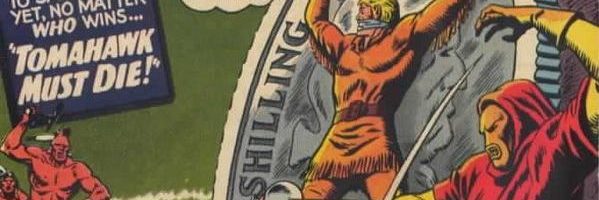
Tom Hawk — Revolutionary War scout, “Indian fighter” and “America’s favorite frontier hero” intrigues the hell out of me. Not that I have a burning urge to buy up some …
No, not the sound of bullets, I like Gunfire the 1994-5 comic book and its eponymous protagonist. I’m aware that’s a minority view. Gunfire is usually, and not unreasonably dismissed …
Intellectually, I’ve known for years that between the Golden Age ending and the debut of Barry Allen in Showcase #4, superheroes were mostly dead in the water. My recent rereading …