
“I looked up at his window while he tore my soul apart”
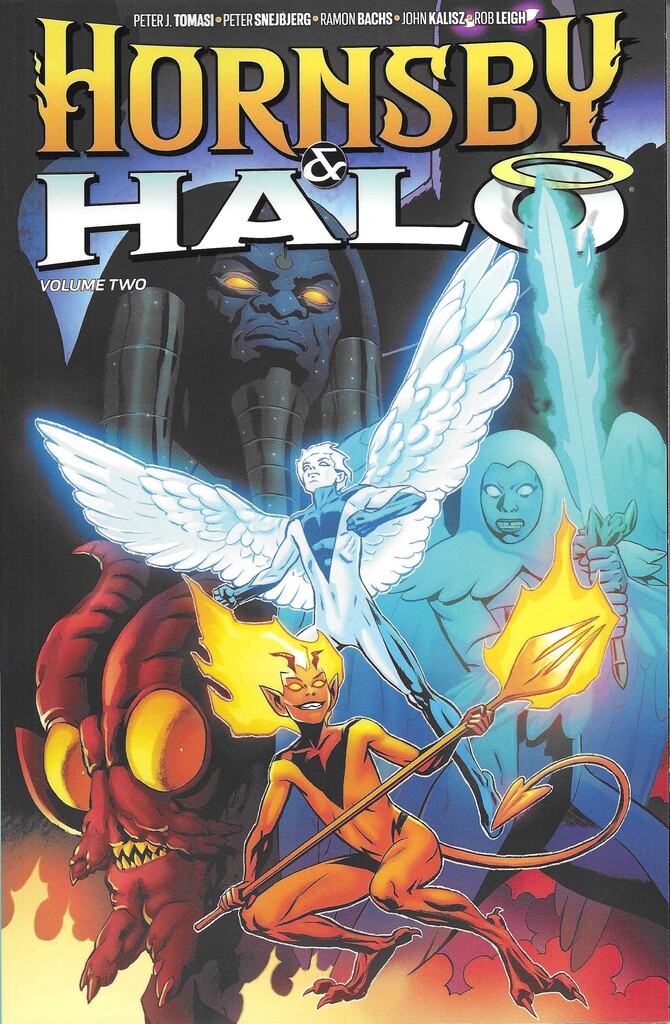
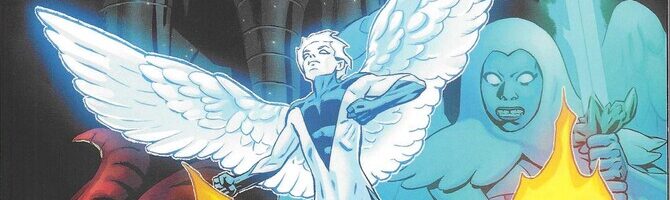
The second volume of Hornsby & Halo is out, so let’s take a look! It’s by Peter J. Tomasi, Peter Snejbjerg, Ramon Bachs (who draws two issues to give Snejbjerg a break), John Kalisz, and Rob Leigh. 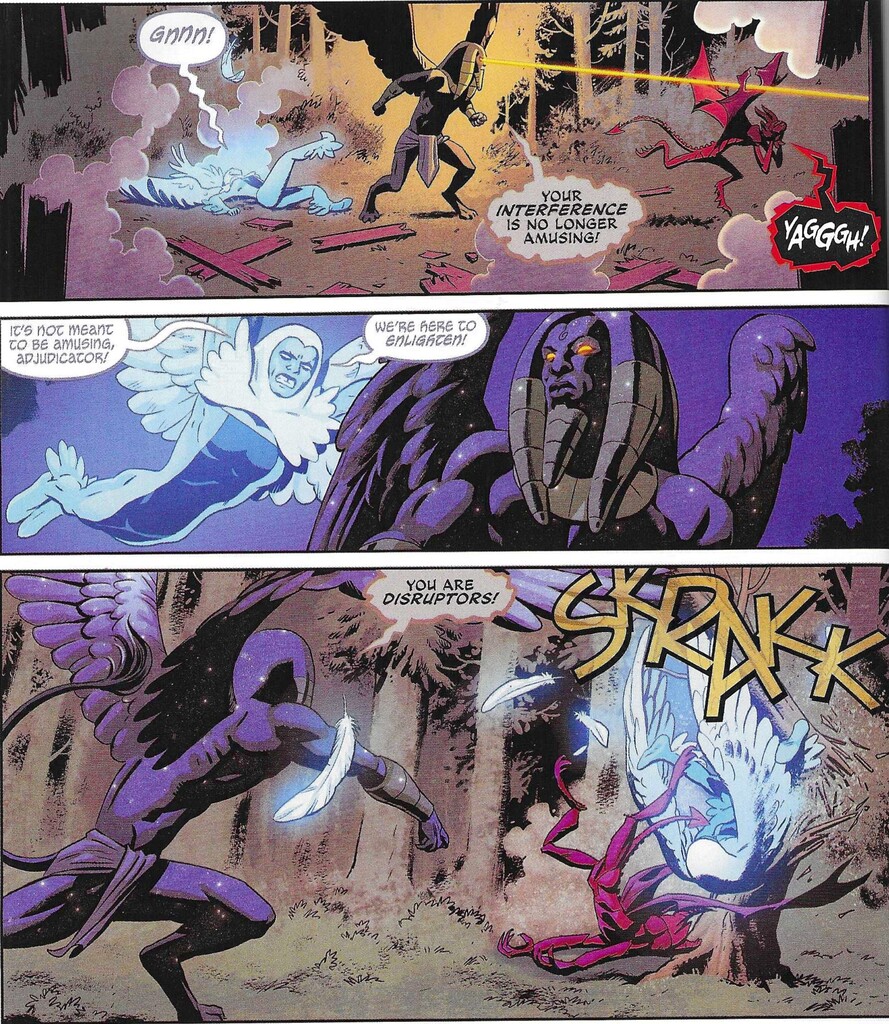 It’s edited by Brian Cunningham, comes from the fine folk at Image (under the Geoff Johns imprint Ghost Machine), costs $16.99, and clocks in at 161 pages.
As we know from the first volume of this book, two children — an angel and a demon — are sent to Earth to be raised by humans — the angel by two fairly lousy people, the demon by very good people — to keep the peace between Heaven and Hell and also to see if the nature/nurture thing can be settled. We haven’t really gotten into that yet — Zach is a pretty decent dude despite his parents being jerks, and Rose is also a decent person because her parents are good people — but the war aspect has been front and center, as Rose and Zach learned who they were in the first volume and in the second volume, they’re trying to deal with outside influences. The creature who has been assigned to keep an eye on them — Sidney — is taken off the board in the first issue by two antagonists — a rogue angel and rogue demon (which seems like a redundancy, but there you are) who want the war between Heaven and Hell back and want Rose and Zach to embrace their true natures or be wiped out. One way they try to do this is by getting them to reveal their angel and demon forms and having the humans track them down, but when this fails, they lure their families to New York and present them with a weird thingy (it’s basically the Siege Perilous) that strips them of their powers and identities and turns them into normal human beings. What will they do? WHAT WILL THEY DO?!?!?
Well, unless the series is ending (it’s not), we know they’re not going to go through it, but Tomasi does a nice job making them ponder it for a while. The “Elector” is guarded by a Nephilim (that seems plural, but I don’t know if it’s singular as well) who could go through it but hasn’t yet because he can’t quite make up his mind. 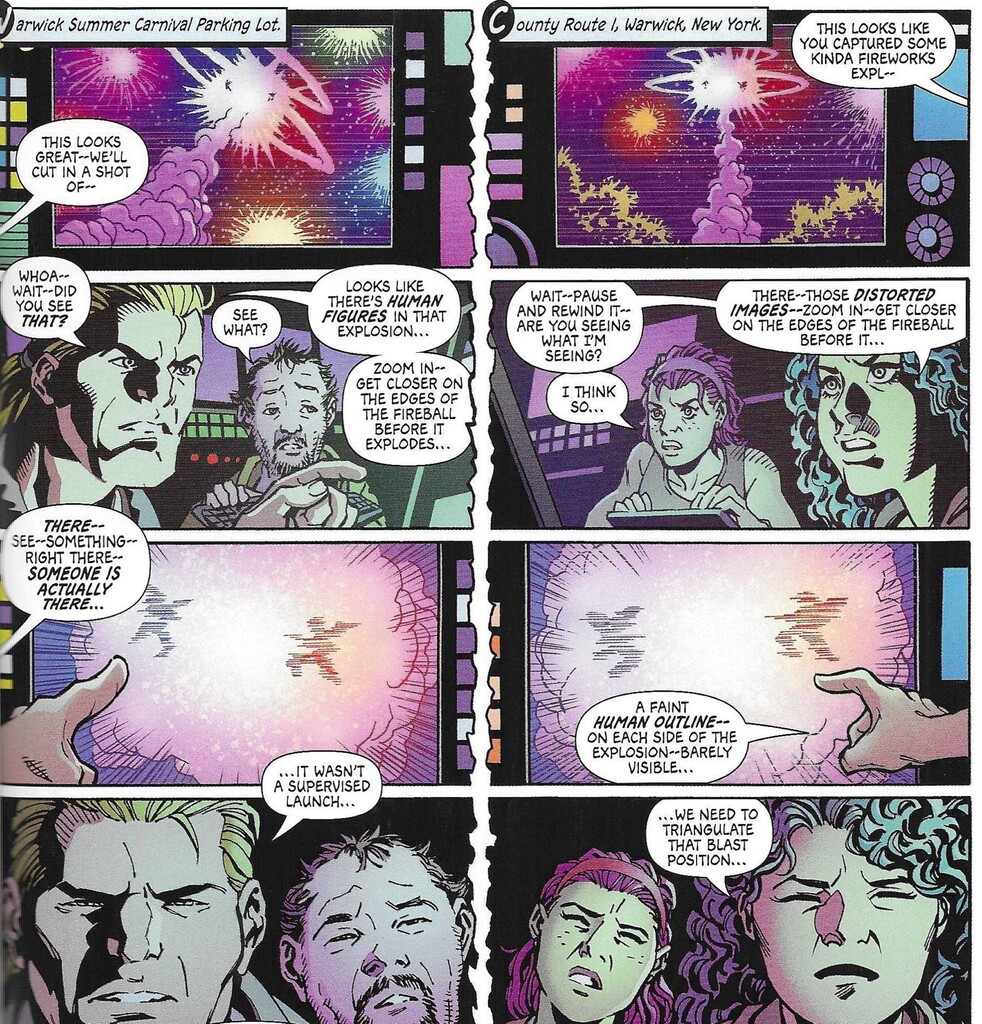 Still, Tomasi presents the kids with many options about what to do about their current plight, and it makes the book work well. He’s doing good work making Zach and Rose interesting characters, as they have these powers but they also want to live like kids, which isn’t great because they have so much attention on them. Zach is still the more interesting character because he’s a decent dude (obviously; he’s an angel) but his “parents” are so terrible, so it seems like he’s fighting a bit more to be a decent fellow. Rose, who’s a demon, doesn’t seem to struggle as much — she’s just a good kid. In one issue, their class does a play of “Paradise Lost,” which seems weird, and Rose gets to play an angel while Zach plays a demon, which is kind of fun. In issues #9-10, which are the issues that Bachs draws, they’re tracked by two different “ghost hunters” who host television shows, and they have to figure out how to keep their own identities secret. Tomasi does a really nice job keeping things light (Rose and Zach are kids, after all) but still examining important issues about who we are and who we want to be. Even the two rogue agents, who are trying to tempt them, get some characterization, as they’re not just villains. The Hornsbys continue to be swell people, while the Halos are driven by greed, but, again, they’re not just cardboard characters. Tomasi is a decent writer, of course, but I wonder if the nature of the comic is part of it. I don’t know how well these Ghost Machine books are doing, but it appears they’re doing pretty well, so Tomasi has some extra space to work with. The issues of this series are at least 22 pages long (one is, kind of inexplicably, 26 pages), and Tomasi doesn’t seem bothered by the necessities of plot churn, which is what we get far too often with DC and Marvel comics these days. The first two issues of this volume (#7-8) have some action — Sidney gets taken off the board by the two rogue agents — but they’re basically just Rose and Zach acting in “Paradise Lost,” a plot which is not full of action, as you might expect. Even the plot at the end, where the kids have to decide if they’re going to go through the Elector, doesn’t have a ton of action, although there’s more than the earlier story. Tomasi has some fun stuff going on, but it seems like he has the space to write interesting characters and worry about the action later, which is a good way to write anything, in my opinion.
 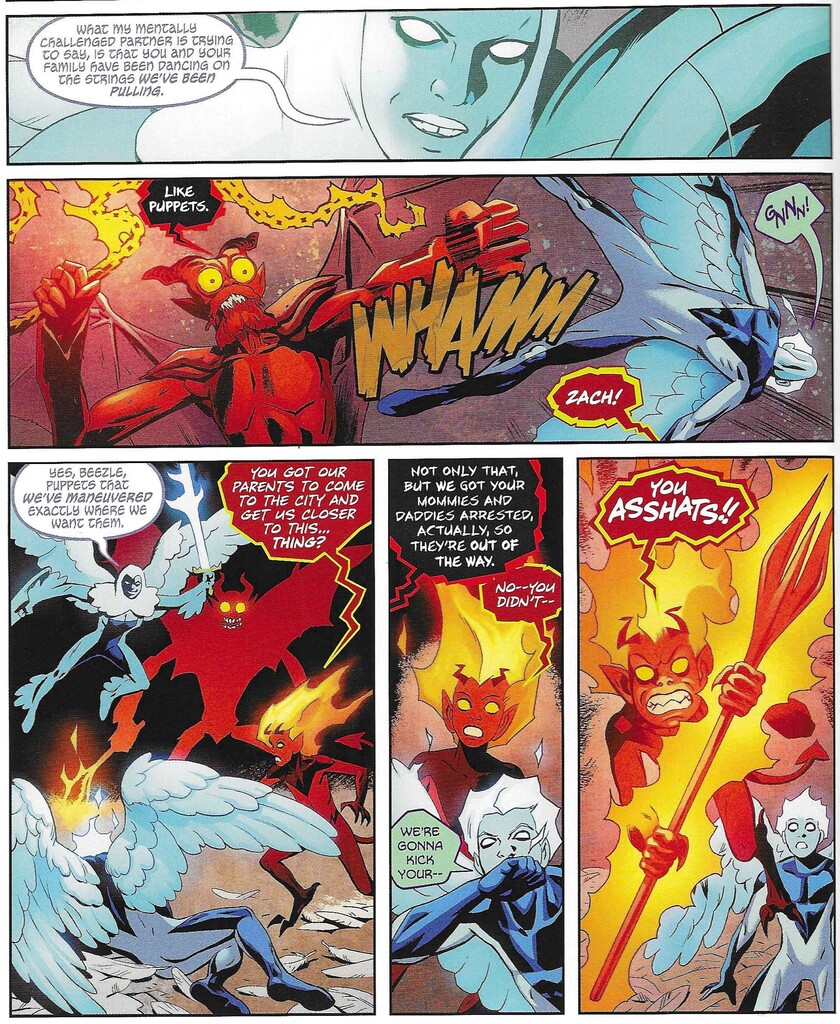 This (and most of the Ghost Machine books) feels like old-school comics a bit — Tomasi came of age during the 1970s and 1980s, so I imagine he was reading the great runs of that time — and it’s nice to see. Let’s hope they can keep it up!
As always, Snejbjerg does a fine job with the art. His “hollowed one,” which traps Sidney, is terrifically weird and creepy, and he makes the Nephilim a groovy, hip kind of dude, and his lair is a neat pop culture museum. Bachs has a slightly more angular and thicker line than Snejbjerg does, but he does seem to modify his style a bit to make it look a bit more like Snejbjerg’s, so the overall look of the book remains pretty consistent. His issues are a bit more “X-Files” than the rest of the book, as they’re the ones in which reporters (well, “reporters”) are trying to find out what’s going on in Middletown, and they have a slightly spookier feel, which works pretty well with Bachs’s slighter rougher art. As with the other Ghost Machine books, Geoff Johns and his cabal are able to get good artists, and the comics look very keen. That’s what we get in this second volume.
Hornsby & Halo continues to be an interesting book. It promises a third volume, so I’m looking forward to that!
Rating: ★ ★ ★ ★ ★ ★ ★ ½ ☆ ☆
