
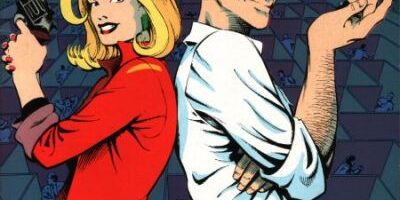
[Greg posted this column on 6 September 2015, and while it has the formatting problems the late-stage CSBG posts have, you can still check out the comments if you so choose. Enjoy!]
Writing the Sherlock Holmes column a couple of weeks ago reminded me of something we used to see in comics all the time and now we don’t.
Detectives.
Now, when I say that, I mean something very specific. I don’t mean crime-fighters. We have a plethora of crimefighters in comics, many in colorful costumes.
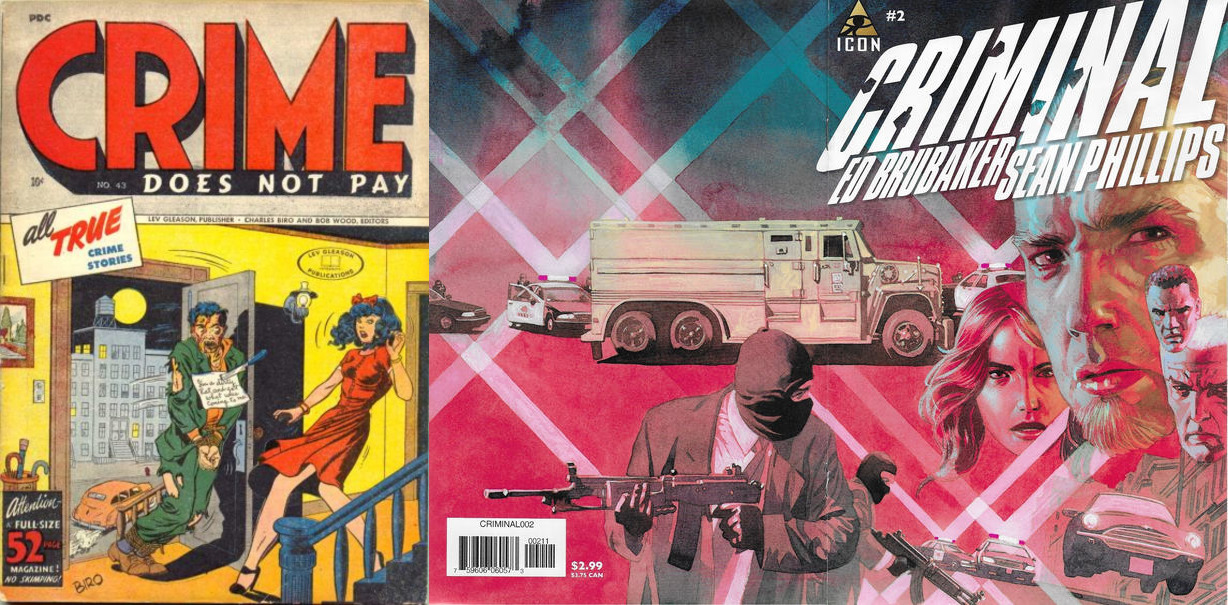
Leaving out the costume types there’s still a fair amount of straight-up crime fiction in comics … ranging from Golden Age offerings like Dick Tracy and Crime Does Not Pay on up through modern books like Criminal.
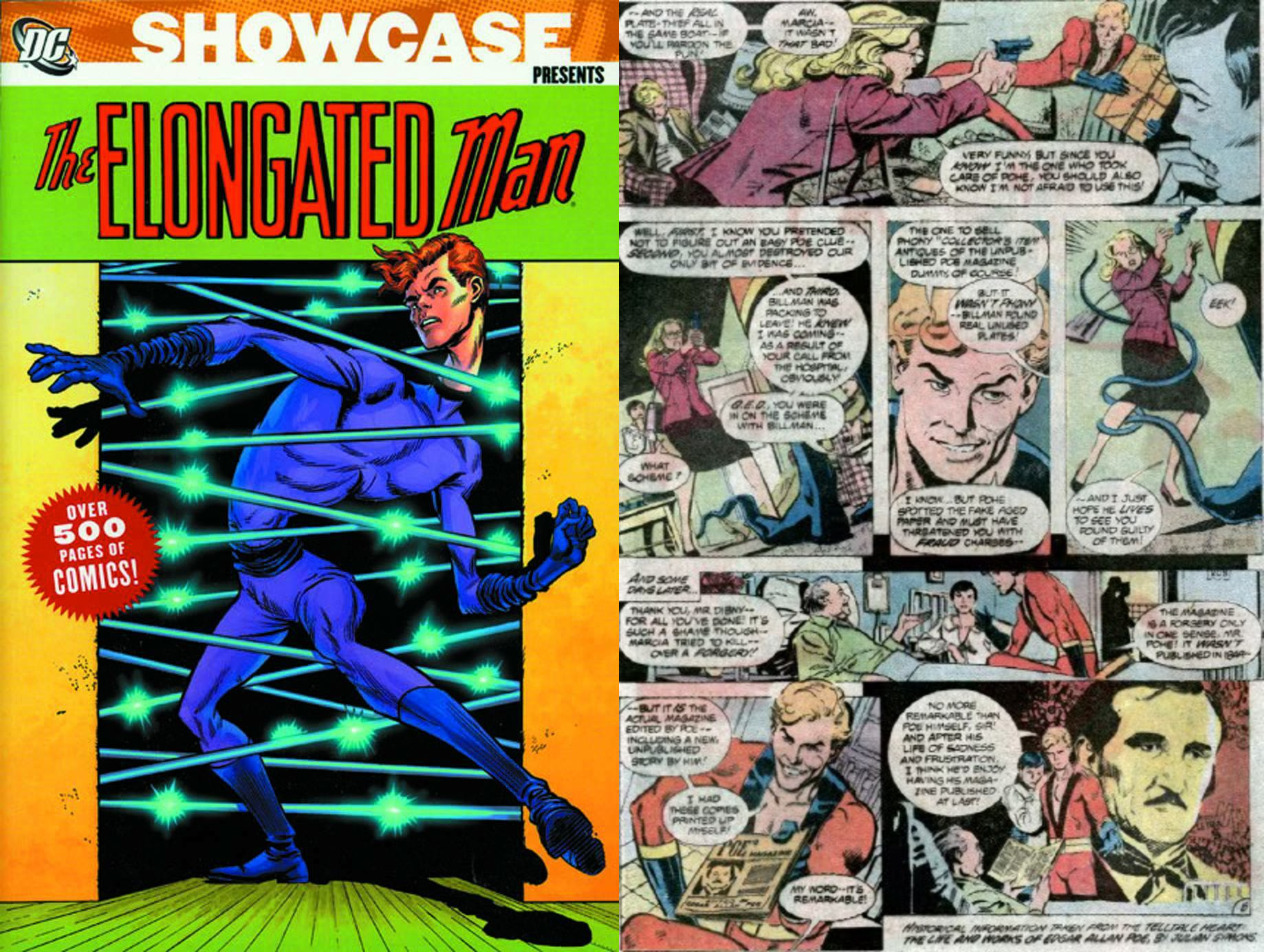
But actual mystery fiction, with clues and a puzzle and a fair-play solution … we used to see that all over. The Elongated Man was completely built on that idea.
No more. These days, for the most part, it’s disappeared from the landscape. The last time I brought this up at a gathering of fans, someone shrugged and said, “It’s too hard to do it in comics. It’s a visual medium. You have to have movement and action. Nobody wants to see Agatha Christie in comics.”
Well, that may be true. Hell, even I don’t want to see comics about Hercule Poirot or Miss Marple. But that is way too dismissive. The fact that ‘cozy’ mysteries, as they are commonly referred to, would be a poor fit for comic books doesn’t mean that mystery fiction itself wouldn’t work. Because it has, many times.
Comics come out of the pulps, basically, and mystery fiction was a pulp staple for the entirety of the existence of pulp magazines.
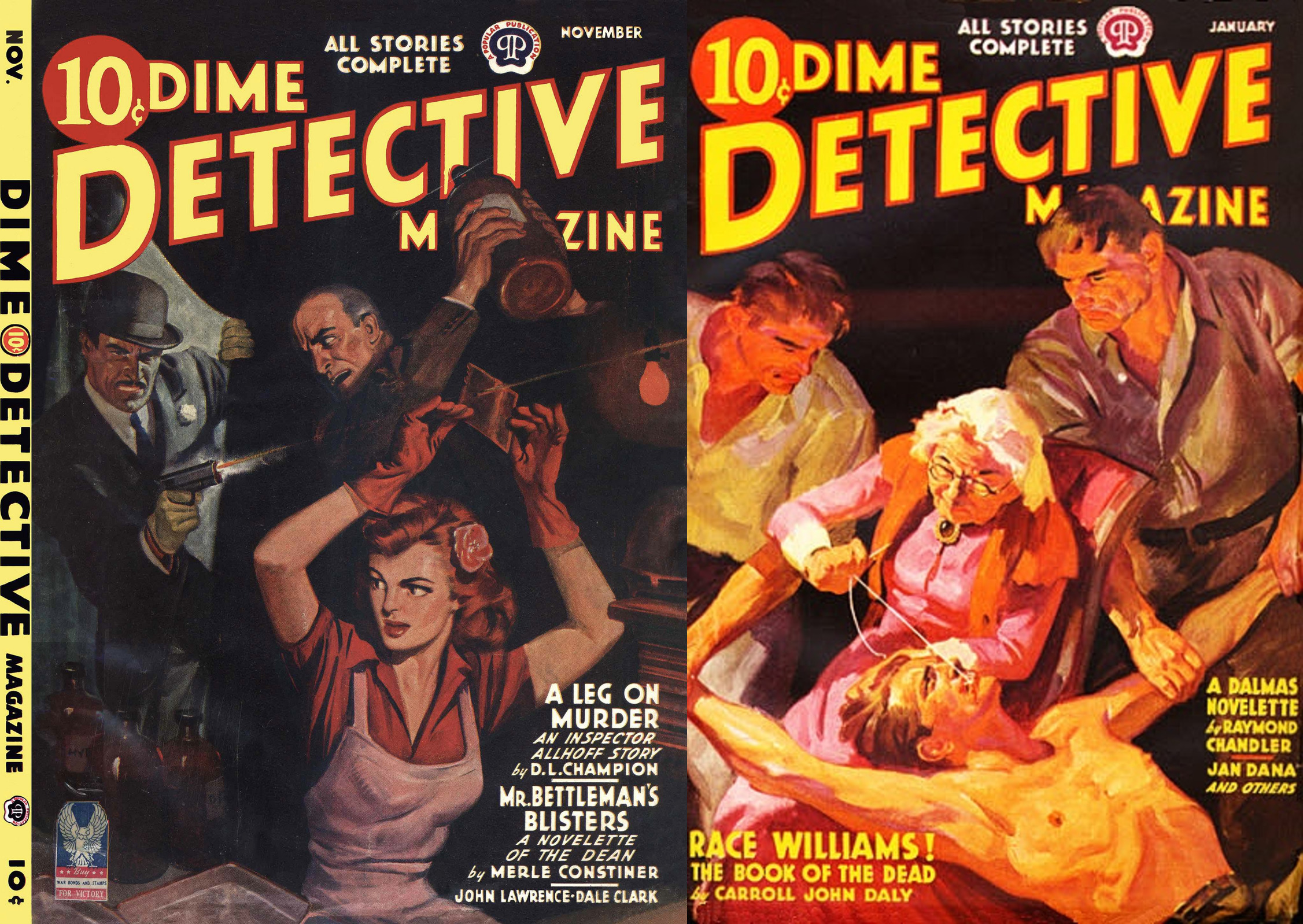
When pulps moved over to the paperback stands, mysteries went right along with them.
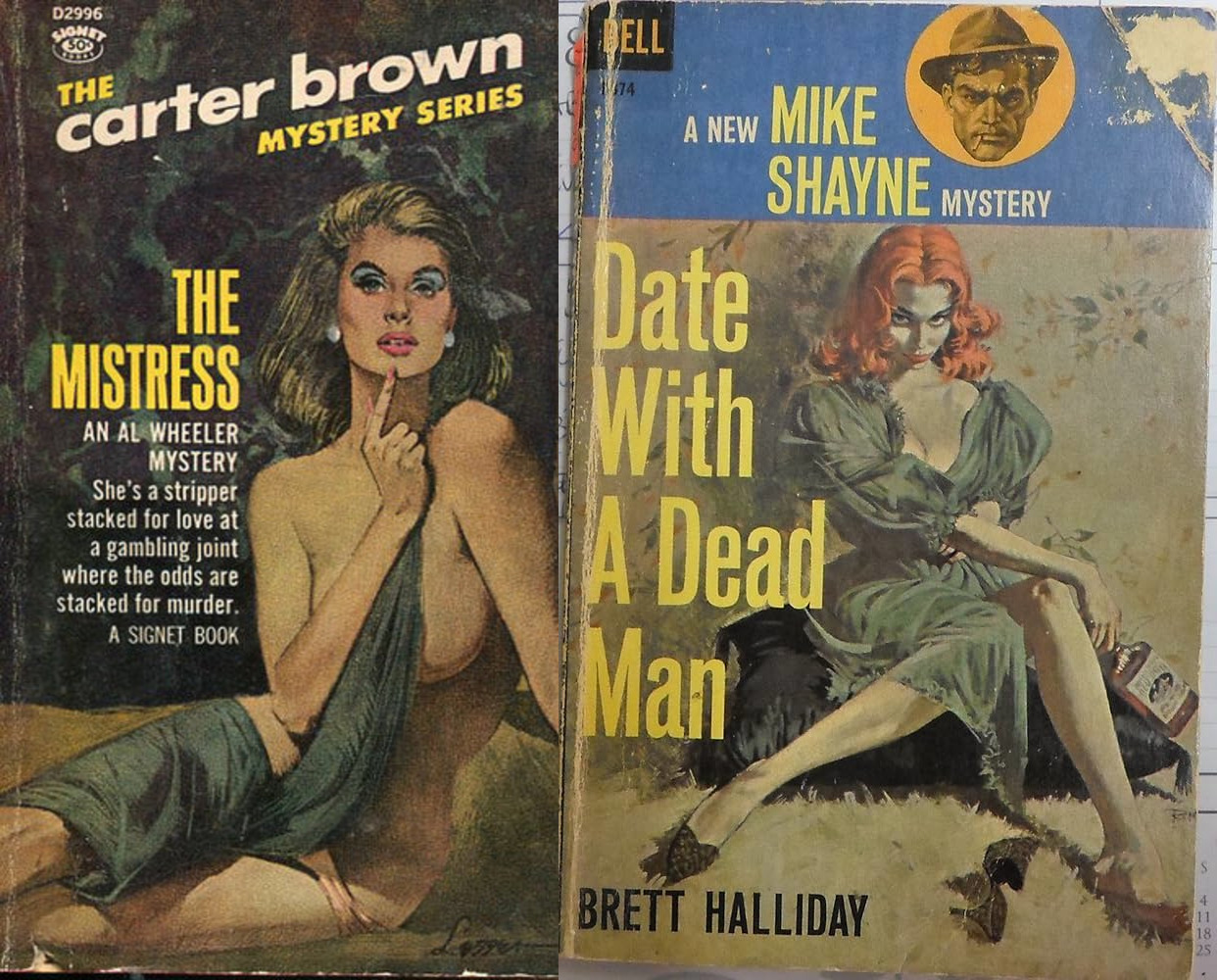
Here’s the thing. Sure, the pulp guys like Chandler and Hammett and Spillane were all about the tough guy action. Those stories are full of shooting and fisticuffs and shit blowing up. They knew where their bread was buttered.
But the part that gets overlooked — whether critics are lauding Chandler’s literary style or decrying Spillane’s lack of it — is that all those guys knew how to write a mystery. Chandler’s Farewell, My Lovely is one of the best-plotted, cleverest mysteries ever written.
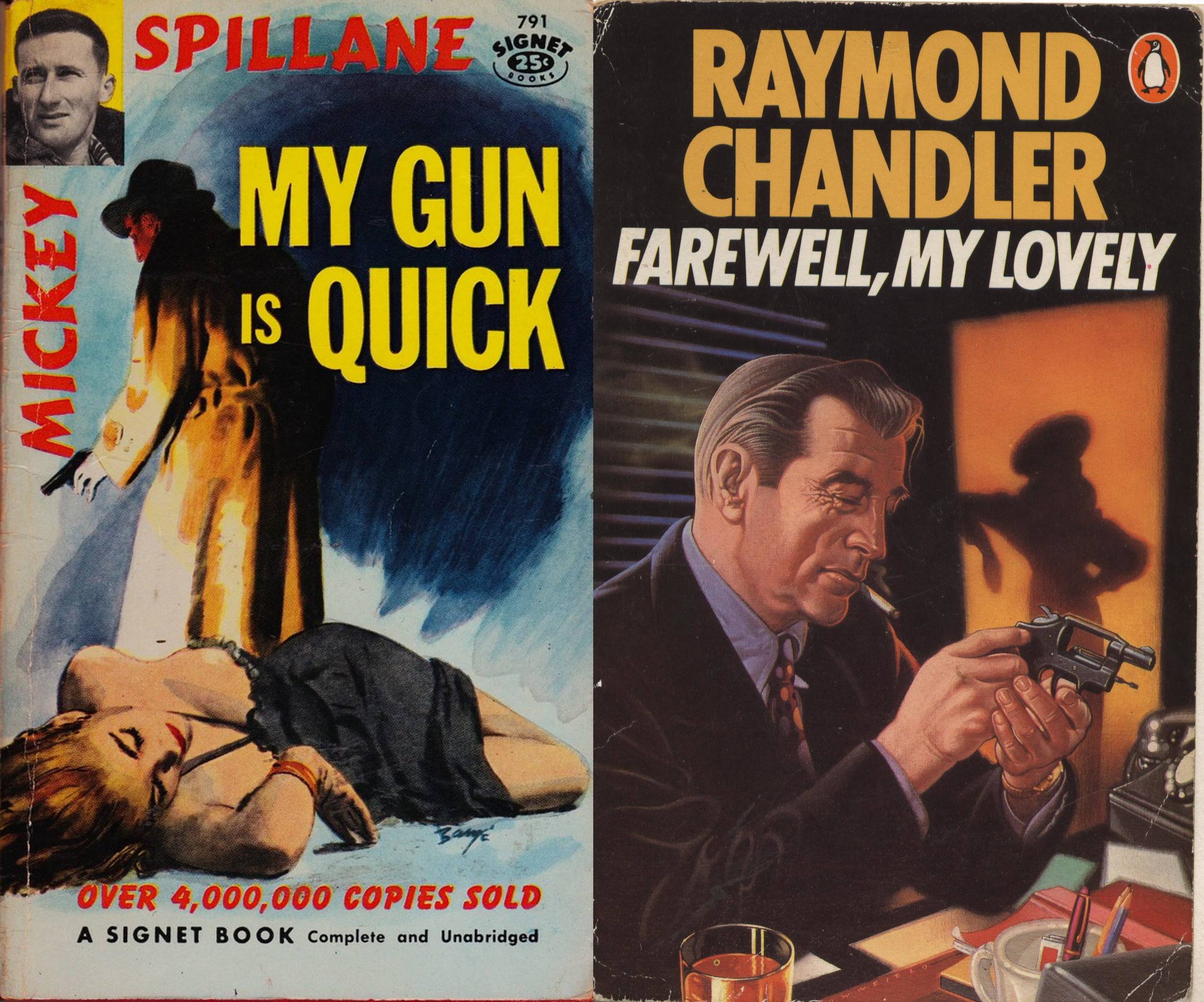
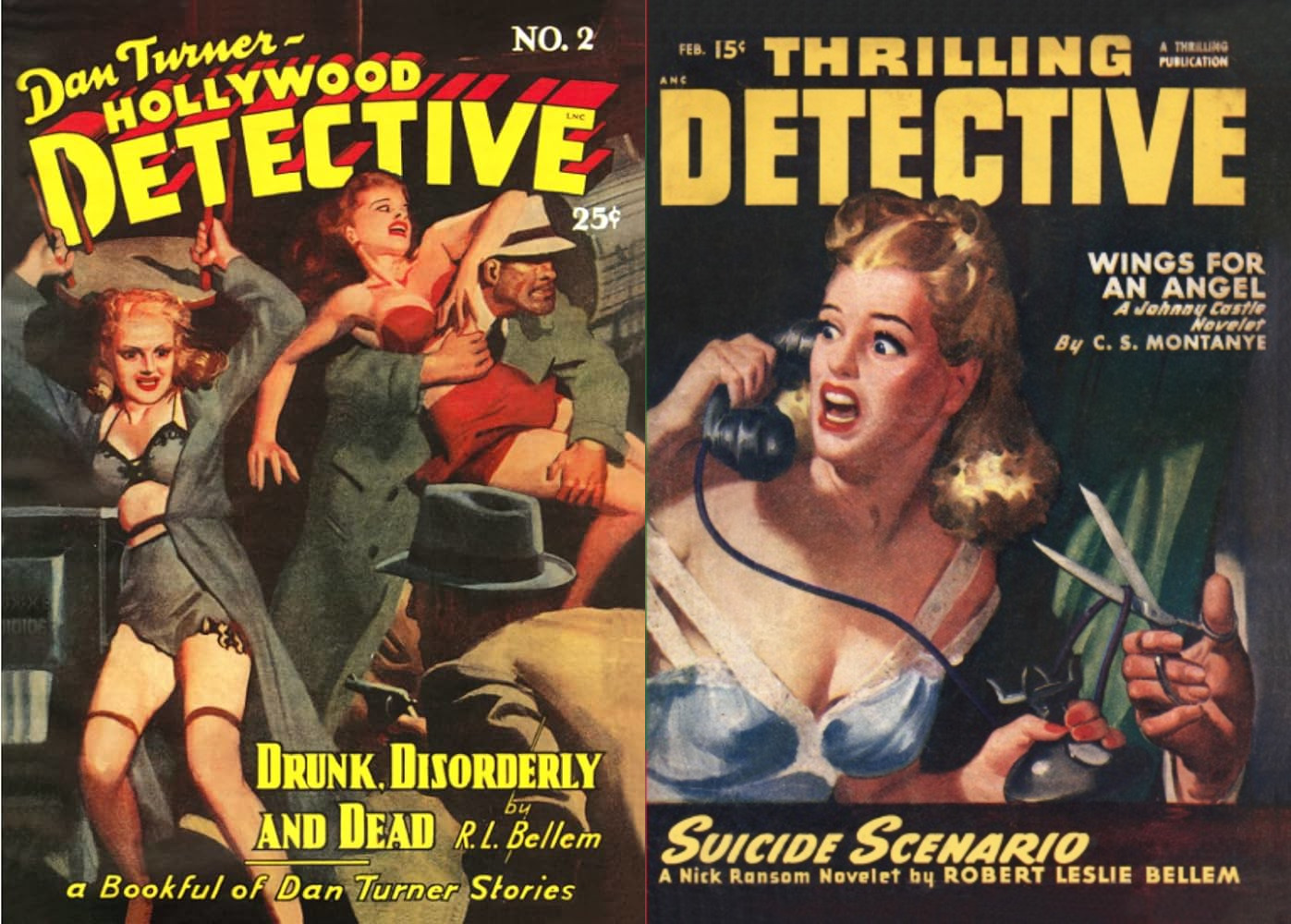
Same goes for Mickey Spillane’s My Gun Is Quick — in fact, all of the Mike Hammer books are solid whodunits and several of them are genuinely elegant in structure. Even the guys who were hacking it out like Robert Leslie Bellem on Dan Turner and Nick Ransom still knew how to plant clues and pay them off with a fair solution in the end.
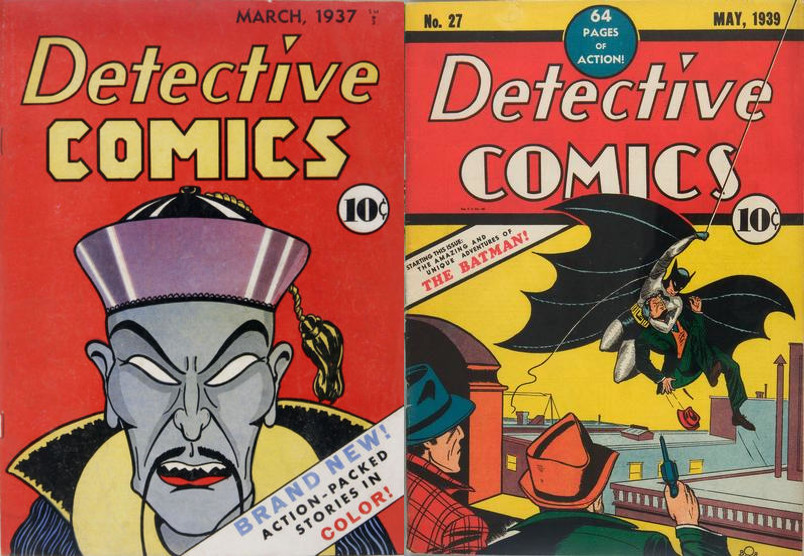
Once upon a time, comics writers knew how to do that, too. In fact, comic books started with detectives, and that same title was taken over by the World’s Greatest Detective not too long afterward.
For a long time, traditional mystery fiction had a strong presence in adventure comics. Some of it was good, some not so much, but it was always there. Once in a while you’d get something that was genuinely clever and cool … Star Hawkins, private eye of the future, or western detective Sierra Smith.
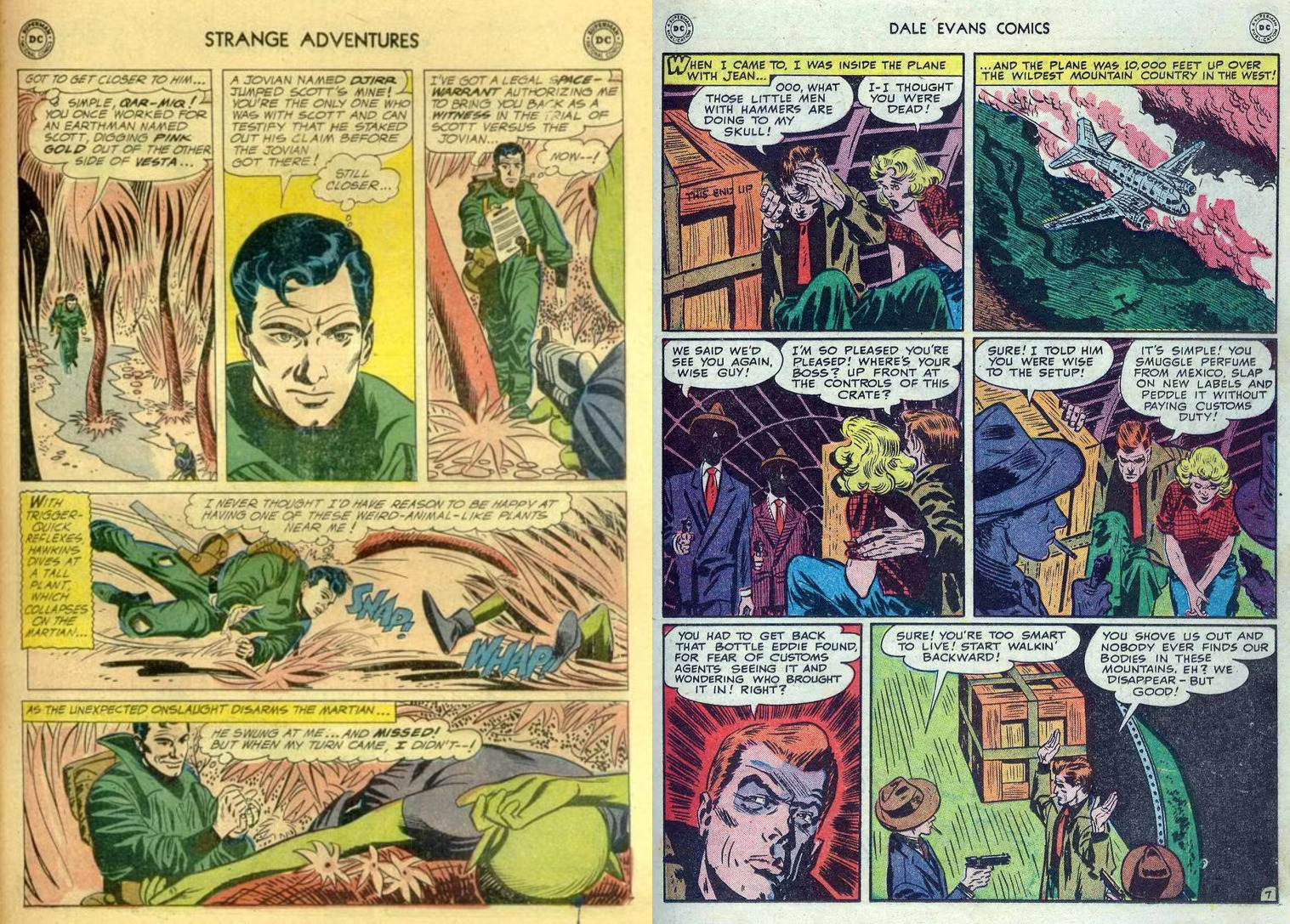
And of course, for many years, Batman really was the World’s Greatest Detective. Not every month, but regularly, Batman titles would feature an honest-to-God mystery story with a real puzzle. Bill Finger and Gardner Fox both knew how to put one together, and Denny O’Neil did a couple of really cool ones with Neal Adams back in the day.
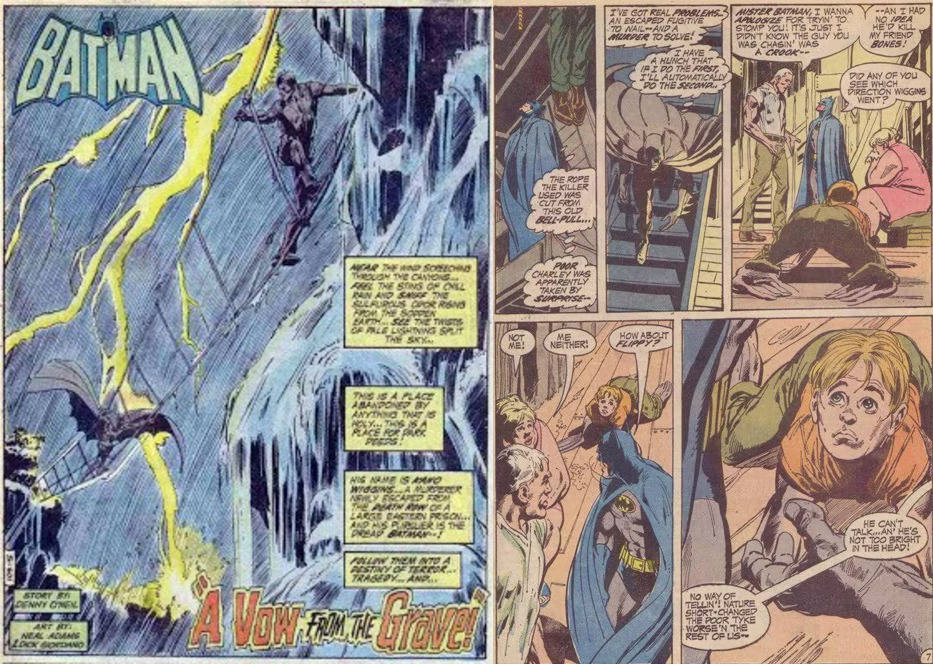
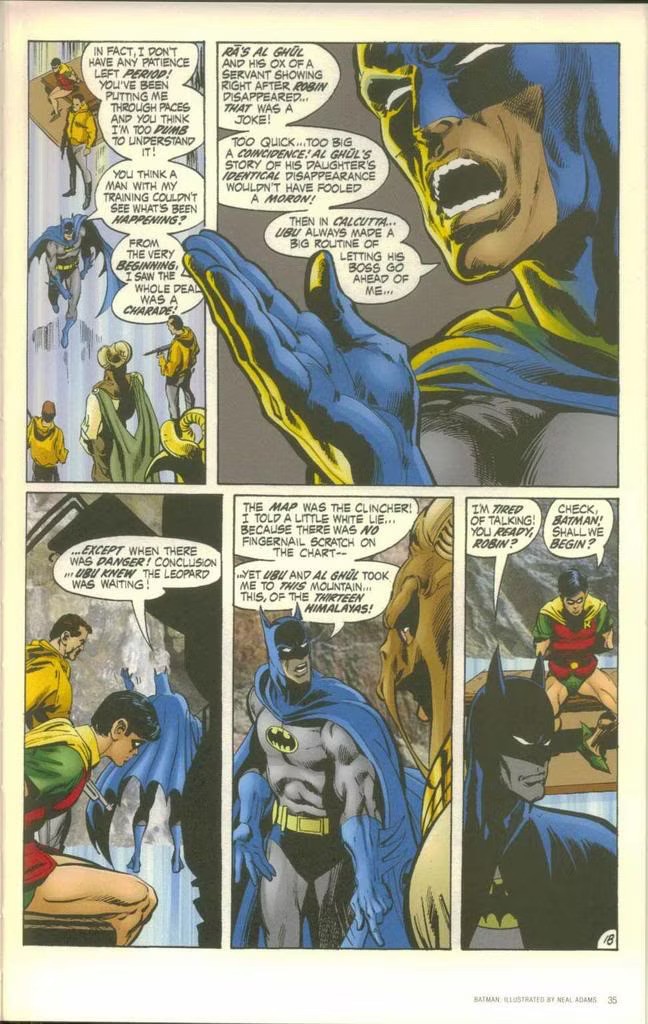
“A Vow from the Grave” was a noir mystery in the classic style — and though no one remembers this part, “Daughter of the Demon” has a nifty little deductive payoff.
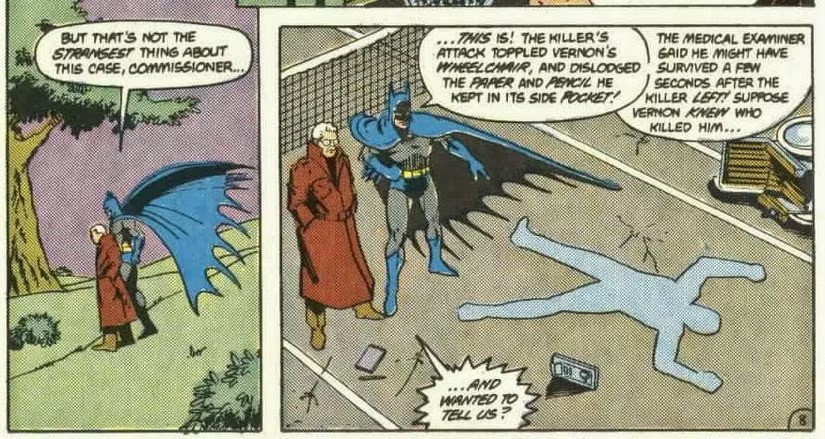
Mike Barr was a big fan of Ellery Queen and he did quite a few Batman tales with that kind of atmosphere, including the finale of gathering all the suspects in a room and announcing who the killer was.
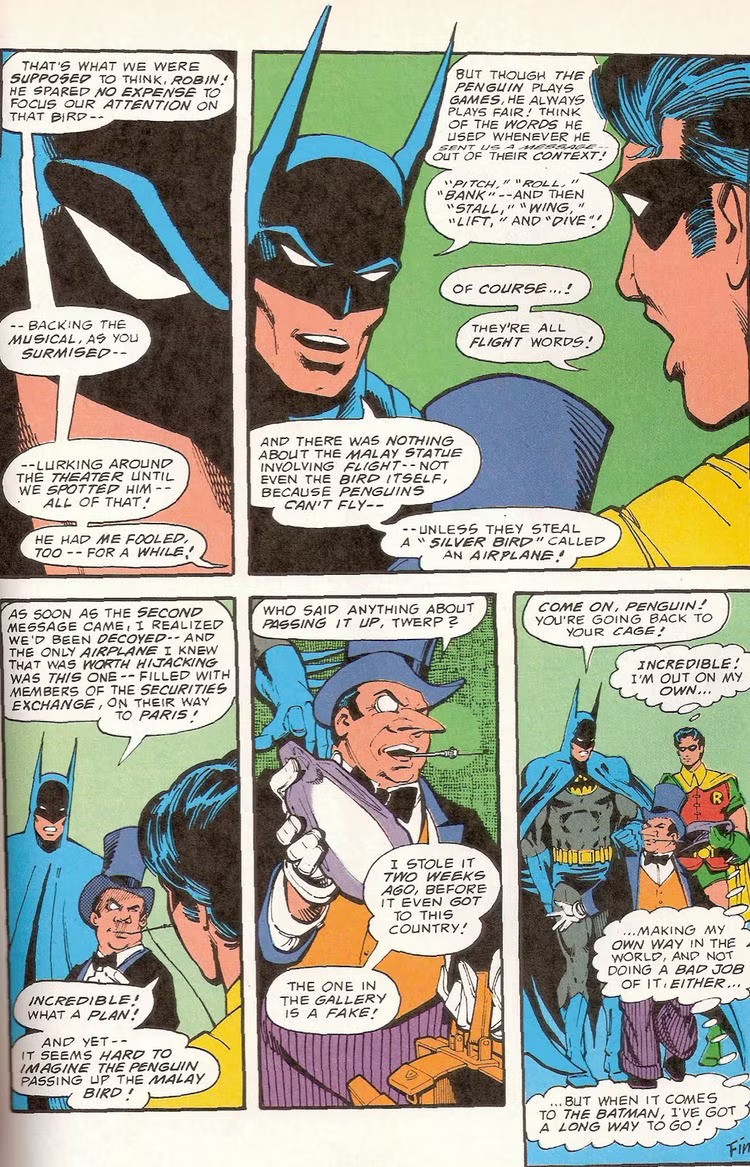
Steve Englehart even sneaked one into his famous run with Marshall Rogers — “The Malay Penguin” has a very nice puzzle built into it.
But it wasn’t just Batman. Don McGregor took a couple of swings at mystery fiction in comics — notably Detectives, Inc.
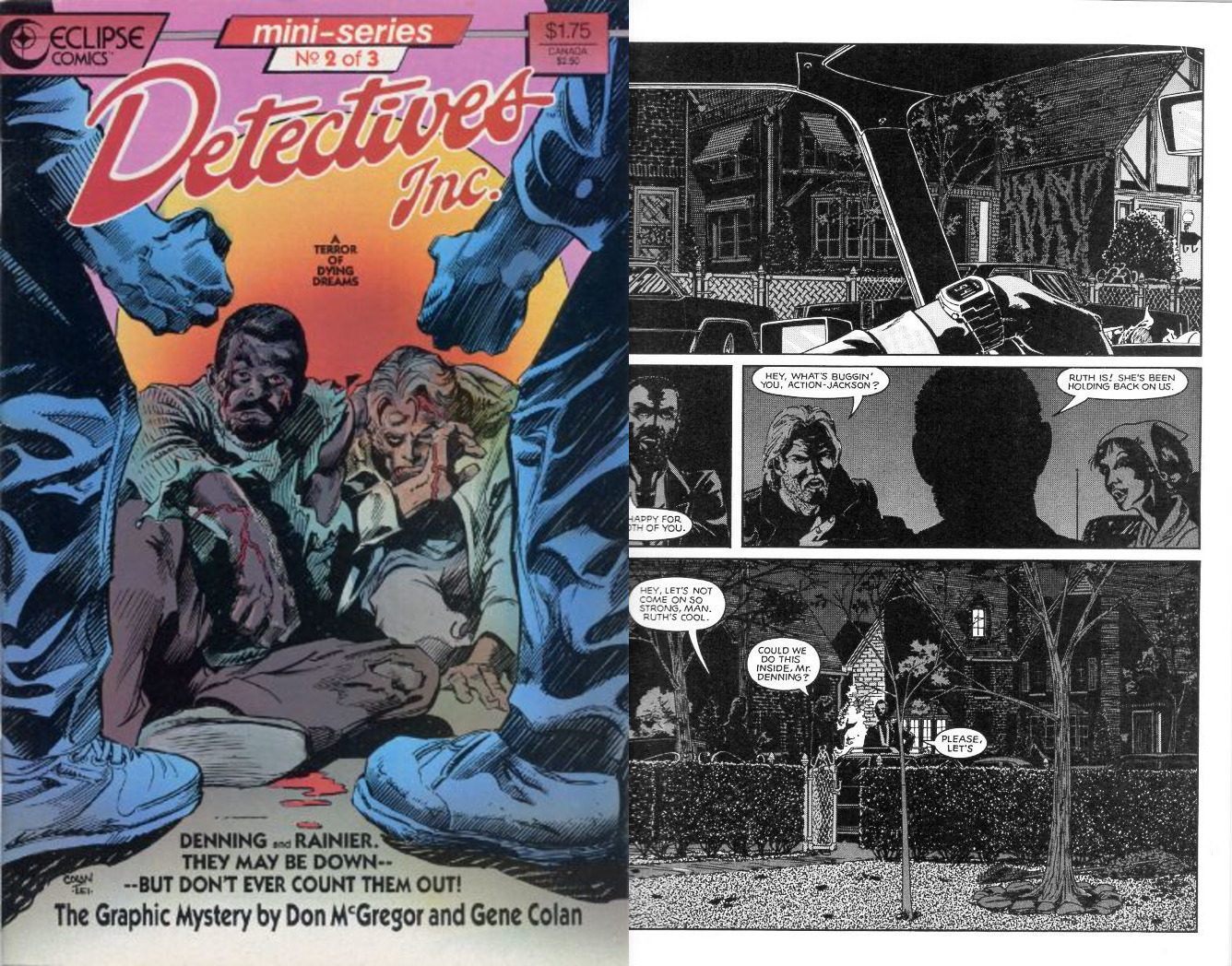
But the mystery component in Detectives, Inc. was almost perfunctory; those stories were more like character studies that happened to feature a couple of detectives. He came closer to the kind of classic structure I’m talking about with his two Nathaniel Dusk miniseries.
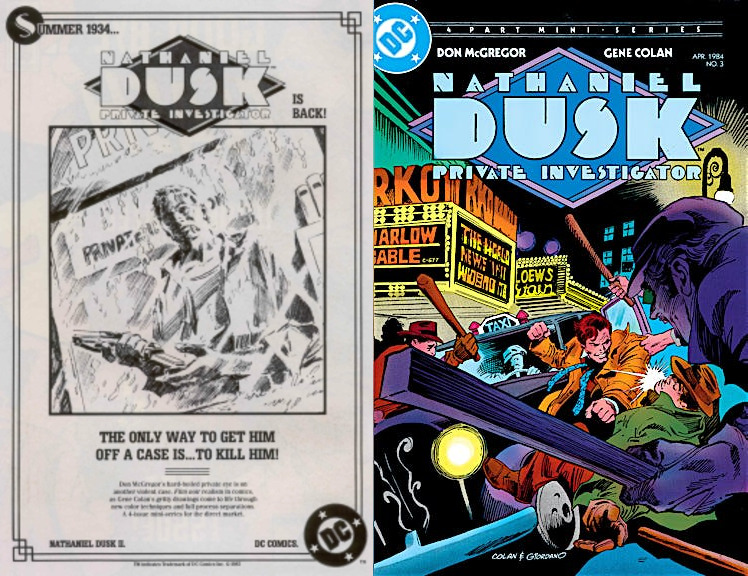
Detectives Inc. is available as a nice hardcover from IDW, but somebody really ought to put Nathaniel Dusk into print again. Both of those Dusk miniseries were really cool, with stunning pencil art from Gene Colan, and people should see them.
I can only think of two ongoing comics titles that regularly hit the mark for classic mystery fiction, though — smart character-driven work that adheres to the fair-play puzzle rule, and that also worked as comics. Ms. Tree from Max Collins and Terry Beatty, and The Maze Agency from Mike Barr and Adam Hughes.
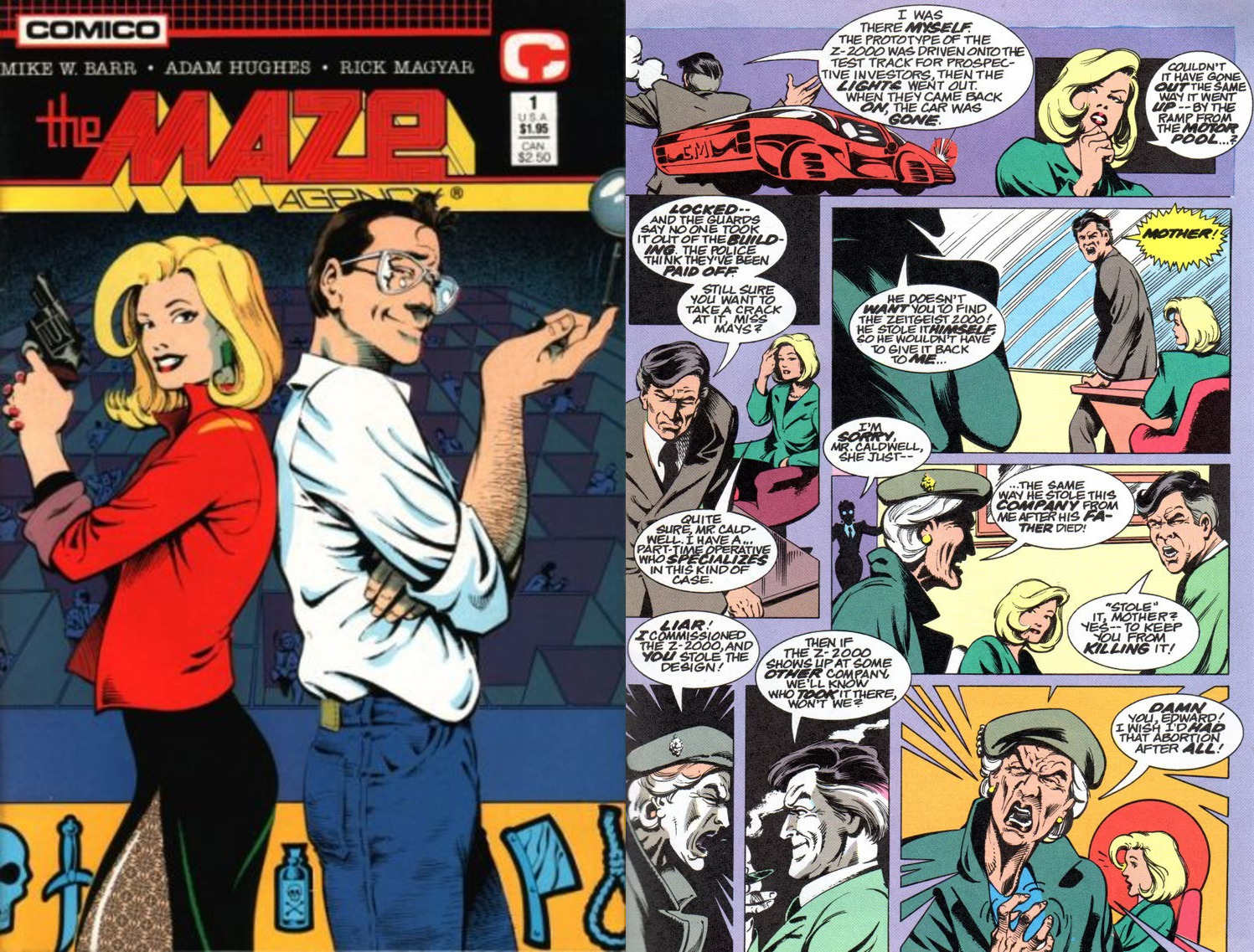
The Maze Agency was a delightful confection of a series, one of those cute-couple-solves-the-mystery things that really ought to have its own genre name by now — it started with the Thin Man movies and Mr. and Mrs. North and then migrated largely to television with Hart to Hart, Remington Steele, and Castle.
The Maze Agency is one of the better examples of the genre and it’s original to comic books.
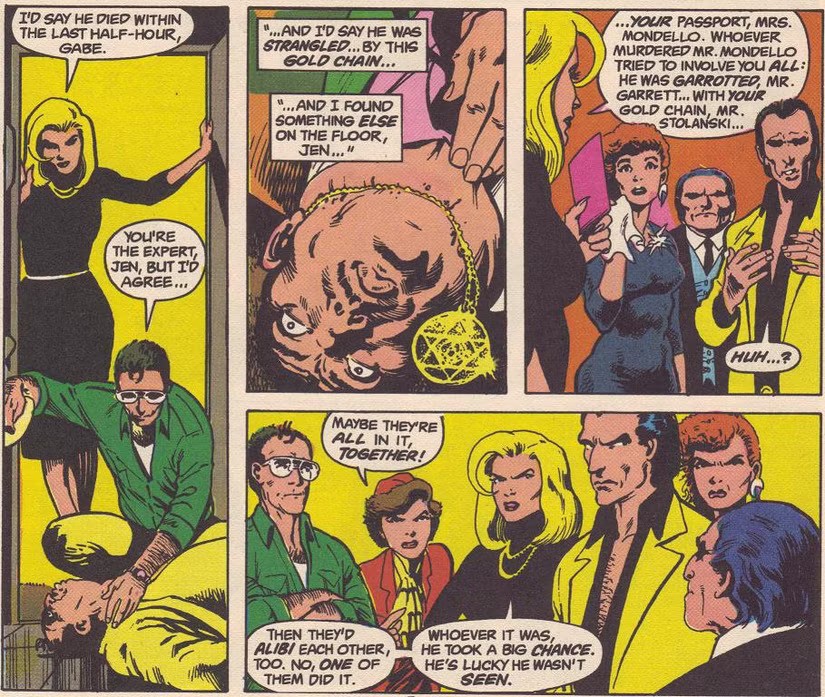
I keep waiting for someone to make Barr an offer for the TV rights. It’s a natural.In the meantime, I think there’s at least one paperback collection out there for the curious.
But my favorite example, the one to beat, is Ms. Tree. Classic tough private-eye stuff with a female lead, even, and it ran for years.
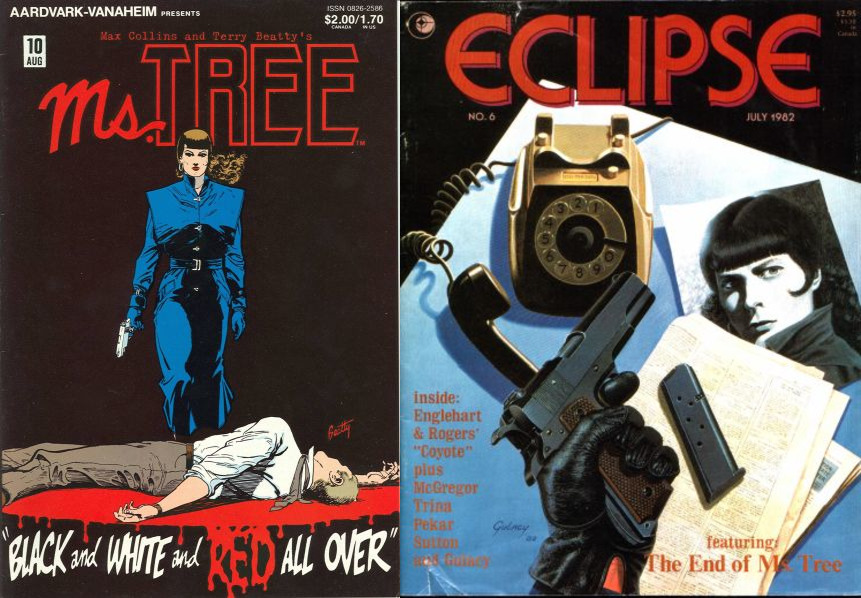
I’ve written about Ms. Tree many times, but something that I’ve probably glossed over in my admiration for all the other great things Max Allan Collins and Terry Beatty did with that strip is how tightly plotted the mysteries were. For over a decade, and from several different publishers ranging from Eclipse to DC Comics, Michael Tree and her posse solved murders in the classic Spillane style. Clues both visual and verbal, a strong puzzle, and a solution that made sense and left you feeling foolish for not seeing it — month in and month out.
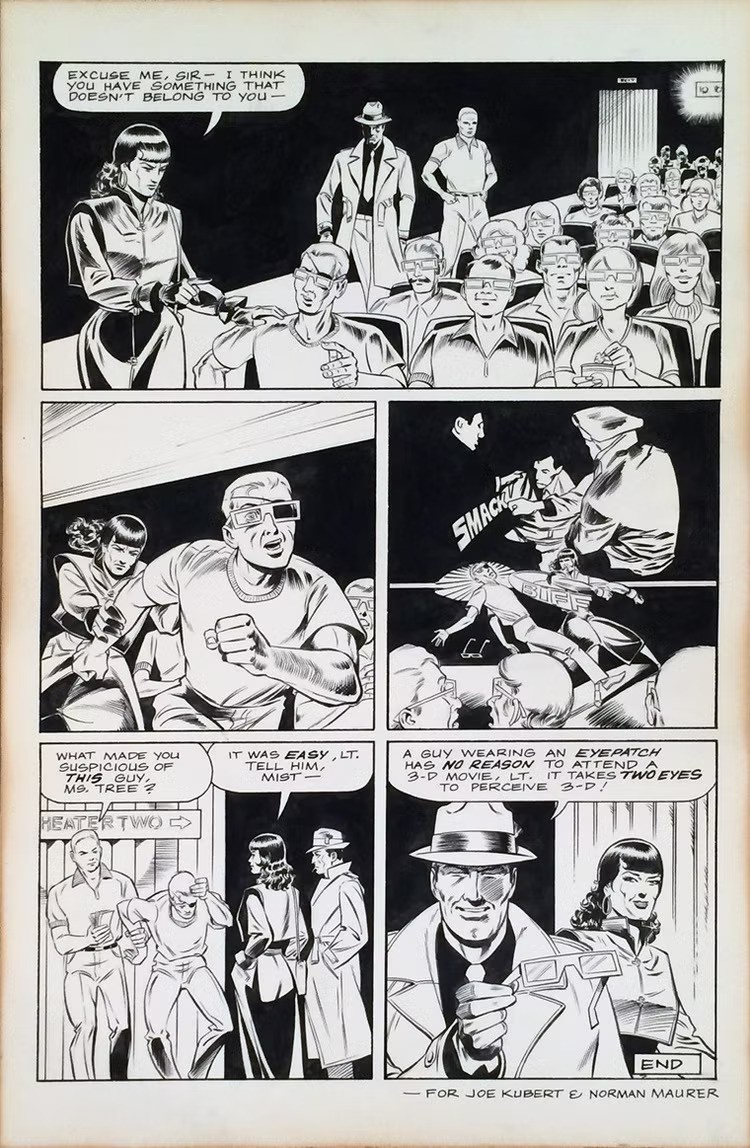
It was probably some of the purest pulp fiction ever done in comics — but even through all the bloody noir stuff going on, Max Collins and Terry Beatty always played fair. The puzzles posed to the audience were always solvable if you were paying attention.
It’s not surprising that a multiple-Edgar-award-winning novelist like Collins wrote probably the best pure mystery comics anyone ever published. What is surprising is that he didn’t do more of them. Despite all his years on Dick Tracy, there wasn’t really much in the way of classic whodunit stuff going on there, and his other forays into comic books like Mike Danger and Johnny Dynamite were more straight-up adventure. But Ms. Tree was the real thing. It’s a damn shame it’s been out of print as long as it has, though there are paperback collections of a couple of the earlier arcs that you can track down without too much trouble — and a prose novelization by Collins of the first two arcs from Hard Case Crime, Deadly Beloved, with a cover by Terry Beatty. Deadly Beloved is also available as an audiobook.
But I can’t think of anything in current comics to match that achievement. I think Greg Rucka’s in there pitching, but he himself has said Whiteout was a little out of his wheelhouse, he feels he is much stronger at doing straight crime stories than he is at plotting mysteries. It’s a damn shame that the Shadow and the Avenger and Batman are all still doing business at the comics stand and none of them are actually solving real mysteries. Walter Gibson wrote hundreds of Shadow stories and most all of them had a puzzle built in to give readers a chance to match wits with the cloaked avenger. Same with the Avenger and Justice Inc. Once upon a time, it was understood that this was part of the package.
Not any more. Don’t even get me started on how Batman has gone from World’s Greatest Detective to World’s Biggest Asshole.
Why did the genre largely disappear when mysteries are more popular than ever? In a decade that gave us Elementary and Sherlock and dozens of CSI spinoffs, Castle going into its seventh season, and Sue Grafton and Sara Paretsky appearing regularly on the best-seller lists, why aren’t we seeing more mysteries in comics? Especially when first, it’s worked in comics before, and second, there’s always the hope to reach a wider audience than just the Wednesday superhero faithful?
Well, I have a theory. It’s something my friend brought up when he was trying to explain it, though he didn’t realize it when he said it.
It’s hard. Writing a classic piece of mystery fiction is really goddam hard work. It’s a hugely heavy lift, and anyone who says it isn’t clearly has never tried to write any. It is difficult enough to plot and write an interesting, character-driven story all by itself. When you have to plot a mystery puzzle and figure out where to plant clues that give the reader a fair chance, and then devise little false trails and other bits of misdirection so that the reader doesn’t have an easy time of it … and layer that on top of your interesting and character-driven story in such a way that the result is not clunky and amateurishly stitched-together … well, it’s driven a lot of writers away.
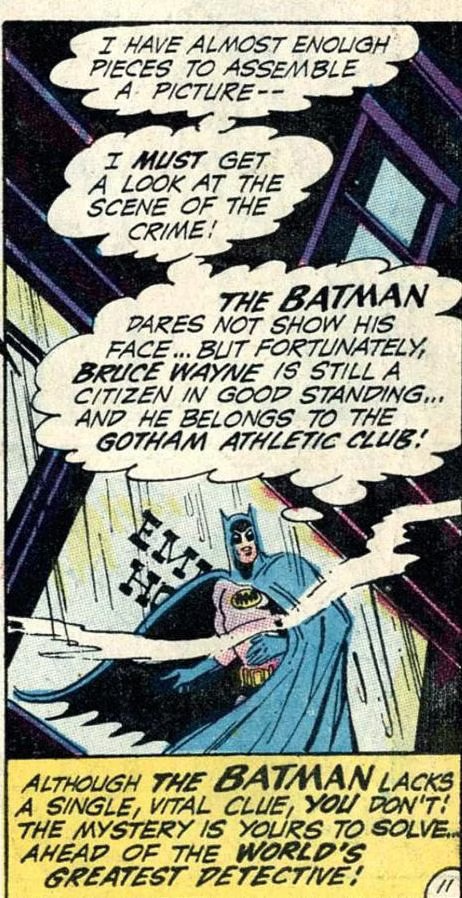
When even an Eisner-winner like Greg Rucka essentially throws his hands in the air and says screw this, it’s back to pulp suspense stuff for me, you know it’s not for sissies. [Edit: Come on, Greg!] Even acknowledged masters of the genre like Raymond Chandler or John D. MacDonald were willing to admit that they didn’t get it right every time (MacDonald was never happy with the ending for One Fearful Yellow Eye, and Chandler freely admitted that he completely forgot to explain the murder of the chauffeur in The Big Sleep.)
So I can see why comics writers just choose not to go there, even with characters who are supposed to be famous for their detective prowess. (For example, today’s Sherlock Holmes originals for comics are rarely out-and-out mysteries, but rather, stunt-driven things featuring Holmes meeting Dracula or something.)
Still … I miss it. I think it’s a shame that the biggest star in comics is Batman, the world’s greatest detective, and that there’s a revival going on in comics right now for classic characters like Sherlock Holmes and the Shadow … and none of them are doing any actual mystery-solving. You’d think that at some point someone writing one of the series would, you should excuse the expression, get a clue.
See you next week.

I will mention Japanese comics still do detective series (and try to make them fair play) Case Closed (Detective Conan) has roughly 100 volumes so far – I think one of the secrets of it’s success is it constantly changes between different sorts of detective stories taking breaks from the regular murder mysteries to feature (usually) lighter stories with the detective kids, or the darker ongoing storyline concerning the black organisation, or the battles of wits against master jewel thief – the Kaito kid.
I’ve also read some of the Kindaichi series though not as many of them are available in the West.
I notice that the Japanese writers prefer a 3-act structure where the acts tend to be roughly equal length – the first third sets up the mystery and the cast- in a short story this act usually ends with the discovery of the body – in a longer story it will be another murder or character in danger.
the second act of the story concerns the investigation ending with the detective declaring he either knows who the killer is (or, at least, how to find out).
The final third is the solution – the killer is revealed, their tricks explained, their motive revealed and what happens afterwards (this differs from Western stories which tend to make the solution much shorter.)
Frank Robbins also included some mysteries during his Bat-run.
In general I think this column is spot on.
I originally wrote my lament of not only the lack of mysteries in modern comics, but heroes who actually use their brains more than their fists. It’s still depressingly true and it covers film, as well, far more often than not.