


(A cross post from my own blog, inspired by yesterday’s cover-art post).
THE LOOK OF THE BOOK: Jackets, Covers and Arts at the Edge of Literature by Peter Mendelsund and David J. Alworth is an excellent chronicle of cover art. I checked it out of the library half thinking it would help with cover design thoughts for my next novel, which will be out in a couple of months. It didn’t give me anything substantial but it was still an interesting read.
The authors argue book covers are art, but a strange kind: they have to stand on their own as an image yet they’re subordinate to the text of the book. They have to convey genre without looking generic. And they have to look good. I think the cover below by Gervasio Gallardo for a history of fantasy fits the bill.

Likewise the art of Richard Powers typically looks science fictional but never generic.

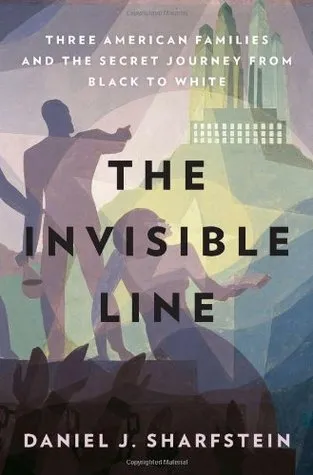
Or consider this cover for Daniel J. Sharfstein’s The Invisible Line, taken from Aaron Douglas’ “Aspirations.” It fits the nonfiction narrative of the book, about how three different African-American families crossed the color line.
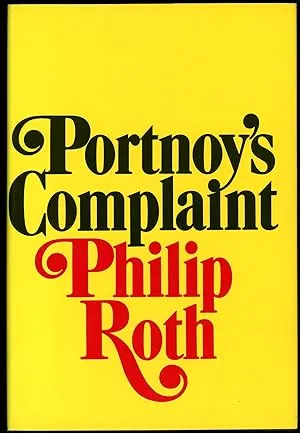
The book discusses many cover elements I don’t normally think about: the amount of empty space on the cover, the size of the title, the size of the author’s name. Paul Bacon’s design for Portnoy’s Complaint, for example, suggests the author and the book are important — people who pick up this book don’t need anything as tacky as a vivid illustration.
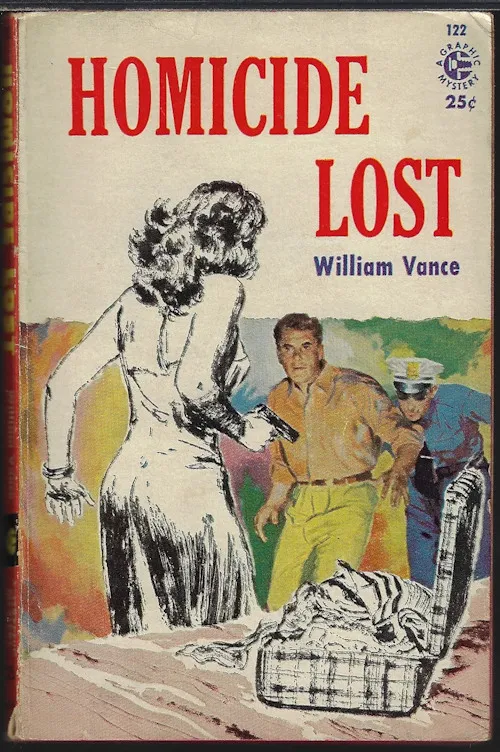
Barye Phillips cover below does not imply importance but clearly suggests buyers might have some fun.
Like every human field, book covers are not free of controversy. Covers for books set in India often incorporate the Taj Mahal even if it doesn’t appear in the story. Classics by women are sometimes made over to look girlier, for example the cover below (I don’t know the artist) for Sylvia Plath’s The Bell Jar.

Even what passes as a good cover in one era may not fly in another. Sections of The Look of the Book show how the faces of various classics — Ulysses, Moby Dick and Lolita for instance — have changed over time. What hasn’t changed is that despite living in the age of Amazon and digital books, cover images remain important. I agree with them on that, though it doesn’t give me any better insight into choosing or designing mine.
