A few comic-book scenes and the stories attached to them.
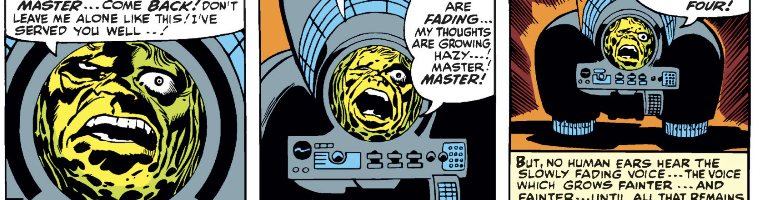
The first is from Strange Tales #151, a coda to my fascination with the Secret Empire arc. In the previous issue, socialite and new Supreme Hydra Don Caballero (which even …
The first is from Strange Tales #151, a coda to my fascination with the Secret Empire arc. In the previous issue, socialite and new Supreme Hydra Don Caballero (which even …
The 1966 JLA/JSA team-up I mentioned in last week’s Batmania post is not one of the best of those Silver Age events. The main plot involves superheroes, supervillains and ordinary …
Coming late in 1966, Tales of Suspense #84 isn’t a bad issue but it’s a very odd one. The first story, “The Other Iron Man” (Stan Lee, Gene Colan) has …
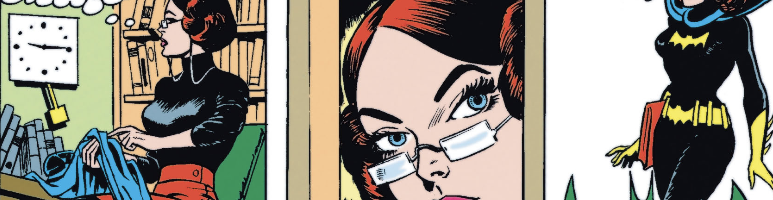
The Batman TV show — the one starring Adam West and Burt Ward, hopefully y’all are familiar with it — hit the airwaves at the start of ’66. It didn’t …
The original Human Torch made his one-and-only Silver Age appearance battling Johnny Storm in Fantastic Four Annual #4. There are several aspects of the book that make it worth a …
Back at the start of April I took a look at some of DC’s books from September of ’66. I wanted to follow up immediately with a Marvel-centered post but …
Last month I blogged about the introduction of Marvel’s Secret Empire and pondered why Stan Lee introduced them when AIM was already around. Other than wearing red instead of AIM’s …