
Another repost of sorts from my own blog, collecting various books reviews on African-Americans and film.
BRIGHT BOULEVARDS, BOLD DREAMS: The Story of Black Hollywood by Donald Bogle looks at the black presence in Hollywood from the 1910s through the 1950s, covering the social networks (the cool hangouts, the A-list celebs and the main Negro neighborhoods), the available jobs (some blacks became servants or shoe-shine men, then broke into movies, others just networked to be maids or butlers for bigger white stars), and the black presence in “race films” and the mainstream. Lena Horne was a ground-breaker, being light-skinned and sophisticated enough to work MGM; other light-skinned blacks wound up having to “black up” with makeup.
This was an interesting look at a side of Hollywood I don’t know much about. It gets a bit “film magazine” at time — look at Hattie McDaniels’ awesome mansion! — but that’s justifiable, as it was important to the actors involved, proof they’d made it in the mainstream.
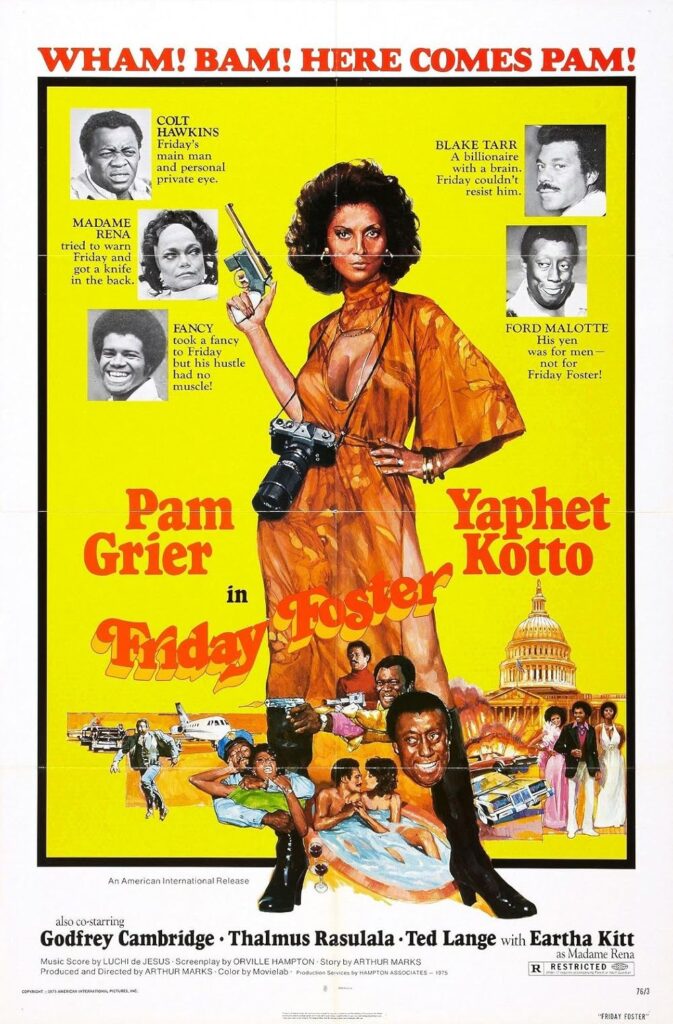
WHAT IT IS … WHAT IT WAS: The Black Film Explosion of the ‘70s in Words and Pictures by Gerald Martinez, Diana Martinez and Andres Chavez collects some spectacular posters from the black films of the 1970s (there’s a good discussion of painted posters then vs. photo-based posters now) along with reminiscences from Melvin Van Peebles (creator of the groundbreaking Sweet Sweetback’s Baaadaaass Song), Isaac Hayes, Pam Grier, Roger Corman and retrospectives from younger fans such as Ice-T, director John Singleton and Samuel L. Jackson.
Everyone interviewed hates the term “blacksploitation,” which was coined, according to one interview,ee by the head of the NAACP (“All those good ol’ boy films with Burt Reynolds — nobody calls them whitesploitation, do they?”). They also laments that despite the decade proving there was money to be made from black audiences, when the era’s black boom petered out, Hollywood left money on the table rather than finding new ways to tape the market. Only later, when the kids who’d grown up with those movies began making films for themselves, did things change.
WOMEN OF BLAXPLOITATION: How the Black American Film Heroine Changed Popular Culture by Yvonne Sims argues that while not great art movies such as Coffy, Cleopatra Jones and the TV series Get Christy Love were ground-breakers in their way, giving black women a role other than stock stereotypes such as tragic mulatto, sexy seductress, mammy. Sims discusses the pros and cons of different films and their stars and wonders why Pam Grier and other actors got so much more flak for their roles than the studios that made the movies.
I’m a fan of Grier and enjoyed Cleopatra Jones so I enjoyed this. Even so I think Sims is on shaky ground when she argues these films laid the groundwork for later tough female leads such as Sigourney Weaver’s Ripley. By the time these movies came out we’d already seen, Emma Peel in The Avengers, Honey West on TV and Linda Stirling in movie serials; I’d need a strong argument Grier and her fellow actors were the game-changers. I don’t think Sims makes one.

COLORIZATION: One Hundred Years of Black films in a White World by Wil Haygood looks at the great and not so great moments of black filmmaking and acting (looking back from 2021 when this came out): Sidney Poitier, Denzel Washington, Oscar Michaux, Stormy Weather, Friday Foster, John Singleton, Spike Lee … And also the racial history happening in the real world as these movies were coming out. And the constant frustration by black moviegoers, creators and actors that no amount of money seemed to convince Hollywood making black-centric movies is a winning strategy.
This wasn’t as good a read as I expected, though that isn’t Haygood’s fault: I simply know a lot of the material he’s covered here. That said, I do think there’s lots of stuff that deserved a mention, such as The Color Purple. Still, I was struck by the author’s optimism that black film, unlike the 1970s, is finally doing well enough (and has enough people behind the camera) to stick around.
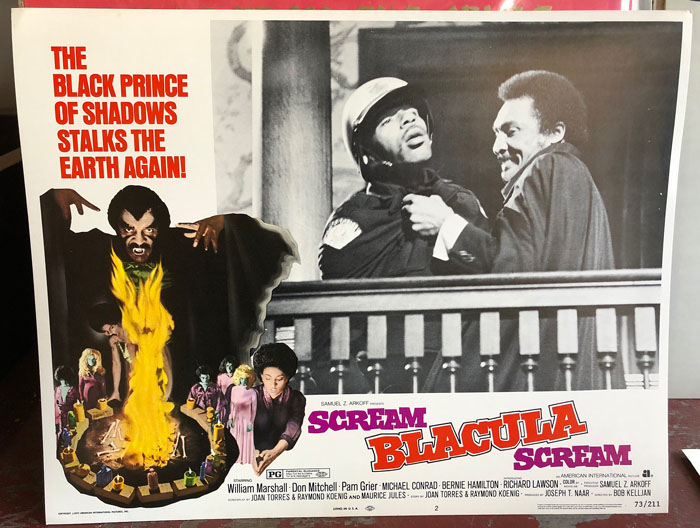
THE BLACK GUY DIES FIRST: Black Horror Cinema from Fodder to Oscar by Robin R. Means Coleman and Mark H. Harris looks at the cliches and evolution of black horror. There’s the “spook” comic relief black character who runs away faster than Shaggy and Scooby; the protagonist’s best friend; the authority figure (the authors see this as less a sign blacks are acceptable in positions of authority than making them another obstacle for the hero to work around); and occasionally the protagonist. There’s the treatment of voodoo — usually negative and creepy — efforts to tackle social issues (Get Out wasn’t the first), good movies and bizarre movies. The Tale of the Voodoo Prostitute sounds terrible (a black sex worker curses her pimp and turns his dick into a rattlesnake) but I’ll have to watch it eventually.
Like Haygood, the authors are quite upbeat that things have changed, citing the increase in not only black actors who don’t die first but the increase in black professionals writing and directing films. And that was before last year’s blockbuster Sinners. Let’s hope they’re right.

Bogle’s first book, “Toms, Coons, Mulattoes, Mammies and Bucks: An Interpretive History of Blacks in Films,” was the main text we had to read in an introduction to Black film class I took as an elective in college. That was my favorite of the assigned readings. I recall it being very well-researched and exhaustive, but written in an engaging news-article style (with lots of photographs and other illustrations). Kind of wish I still had that book.
Otherwise, I don’t know enough about film history, etc. to delve into the debate, but I see some validity to Sims’ thesis about the Blaxploitation heroines paving the way for later bad-ass female protagonists. Sure, there were antecedents, but for that brief period in the early to mid-’70s a number of films centered on tough-as-nails women appeared in pretty quick succession. I can’t help but think that that had some wider reverberations.
In this context, though, I have to say that I agree with a point made several times by Greg Hatcher, that the Blaxploitation films were in fact the earliest iteration of super-hero movies as we know them now – complete with the obligatory “f***-yeah!” moments.
That’s a fair point about blacksploitation’s women — I wouldn’t go to the mat fo rmy view.
And yes, Hatcher makes a good point. Pam Grier in Coffy is very much the Punisher — badly-cut heroin killed her sister so now she’s working her way up from street pusher to supplier to eventually Mr. Big — and they’re all going to pay.